

The Coast Comes Into View
The approach to Pringle Bay is part of the experience.
The road winds down from the mountains, the air turns a touch cooler, and suddenly the Atlantic opens up ahead. The village sits quietly between the Kogelberg range and the sea - small, calm, and unforced.
There is no long promenade or row of big resorts. Just a wide beach, low houses set into the fynbos, and a few relaxed spots where you can grab a coffee without rushing.
Most people pause when they first reach the sand. It’s the space. The sound. The way the horizon seems to stretch a little further than you expected.
And at some point, usually after that first long walk, the practical question comes up.
When is the best time to visit Pringle Bay?
The honest answer is that Pringle Bay doesn’t hold one fixed version of itself. The coastline changes tone through the year. Some months feel bright and social. Others feel quieter, and a little more reflective. None of them are wrong.
They just feel different.

What the Weather Feels Like Here
Some days you wake up and the bay is completely smooth - the sea looks glassy, and the light sits clean on the water.
Other days, the wind comes through early and you can see it in the surface before you even feel it. It slides across the bay, pulls the colour darker, and you know it’s going to be a “jacket on the beach” kind of walk.
On paper, this part of the coast sits in a Mediterranean climate zone - warm, dry summers, and cooler winters with more rain.
In reality, the weather in Pringle Bay is less about numbers and more about movement. Cloud shadows drift over the mountains behind the village. The ocean shifts colour through the day - deep blue in the morning, silver in the afternoon, darker again as the sun drops.
The weather doesn’t usually overpower your plans. It simply gives each day its tone.
Summer - Beach Days and Long Evenings
Summer is when Pringle Bay feels most active, but it still keeps its own pace.
Early mornings start quietly. Walkers follow the waterline while the sand is still cool. A few swimmers step into the Atlantic before the sun has properly warmed the day. Later, the beach fills slowly - families arrive with umbrellas and towels, kids run between the shoreline and the dunes, and people settle in for long, unhurried afternoons with the sea always in front of them.
Daytime temperatures often sit comfortably in the mid-20s °C. By mid-afternoon, the ocean breeze usually comes through. It softens the heat and carries that salty, clean air into the village.
January is the busiest month. Holiday homes open up, local places feel fuller, and the bay holds that familiar summer energy. Even then, the beach stays wide. It doesn’t feel cramped. It just feels lived in.
In the evenings, the shoreline becomes the place people end up again. A slower walk. A last look at the light fading behind the mountains. The village settles early, and the sound of the ocean carries on after everything else goes quiet.
It is also one of the best times to enjoy Pringle Bay’s perfect beaches at their liveliest.
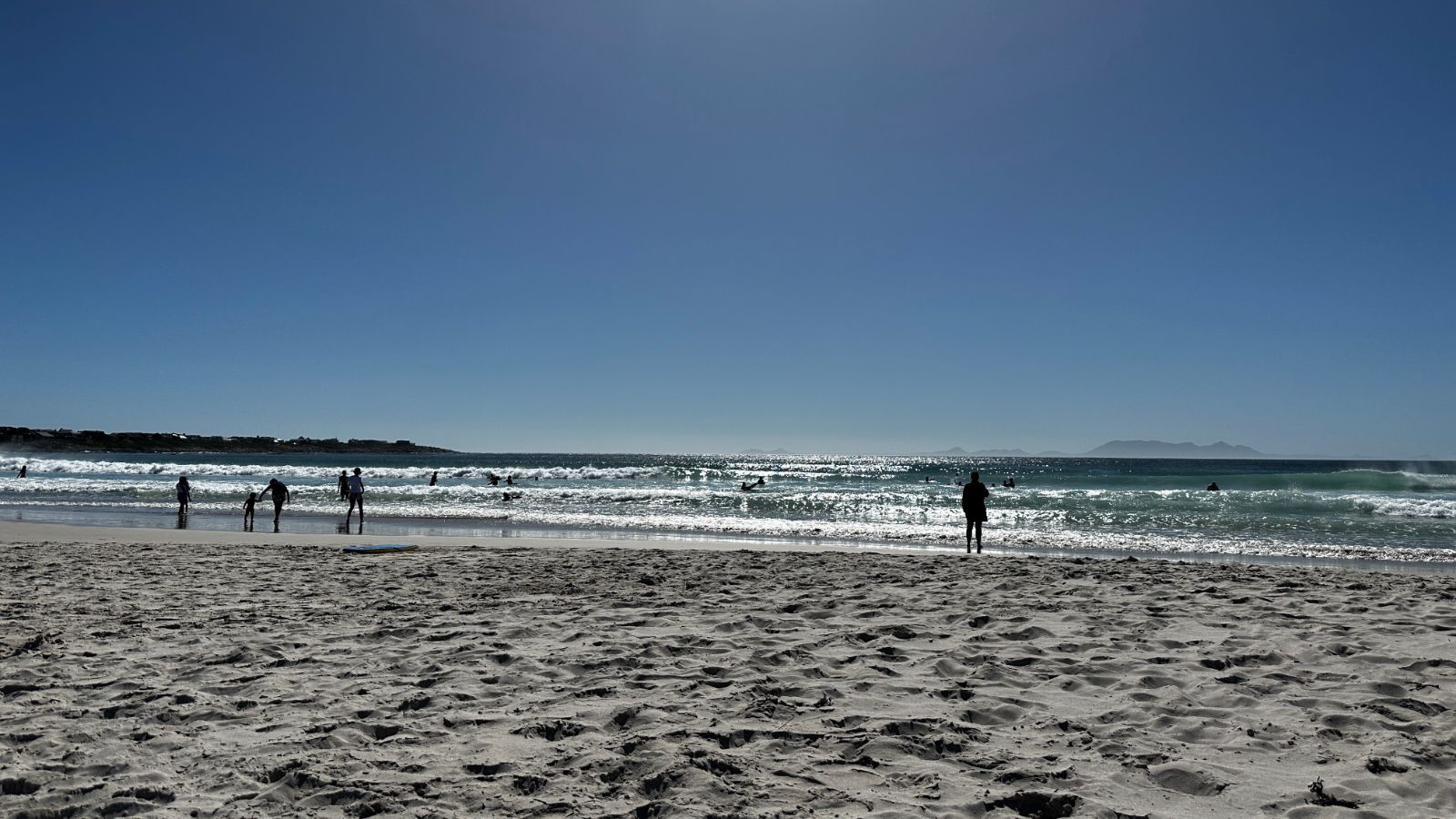
Late Summer to Early Autumn - The Quieter Sweet Spot
Once the peak season eases, Pringle Bay changes in a way some visitors love most.
Late February and March can feel like the coast exhaling. The weather often stays warm, but the village becomes noticeably quieter. The beach feels open again. Parking is easy. Tables are there when you arrive, not after you’ve waited.
For many travellers, this is the best balance.
The sea often reaches its warmest point of the year around this time. Mornings are cooler and still, perfect for long walks without the midday heat. Afternoons stay pleasant, and the evenings come with that softer, early-autumn light.
It’s not empty. It’s just calmer - and that calm makes the village feel even more like itself.
Winter - When the Bay Has More Power
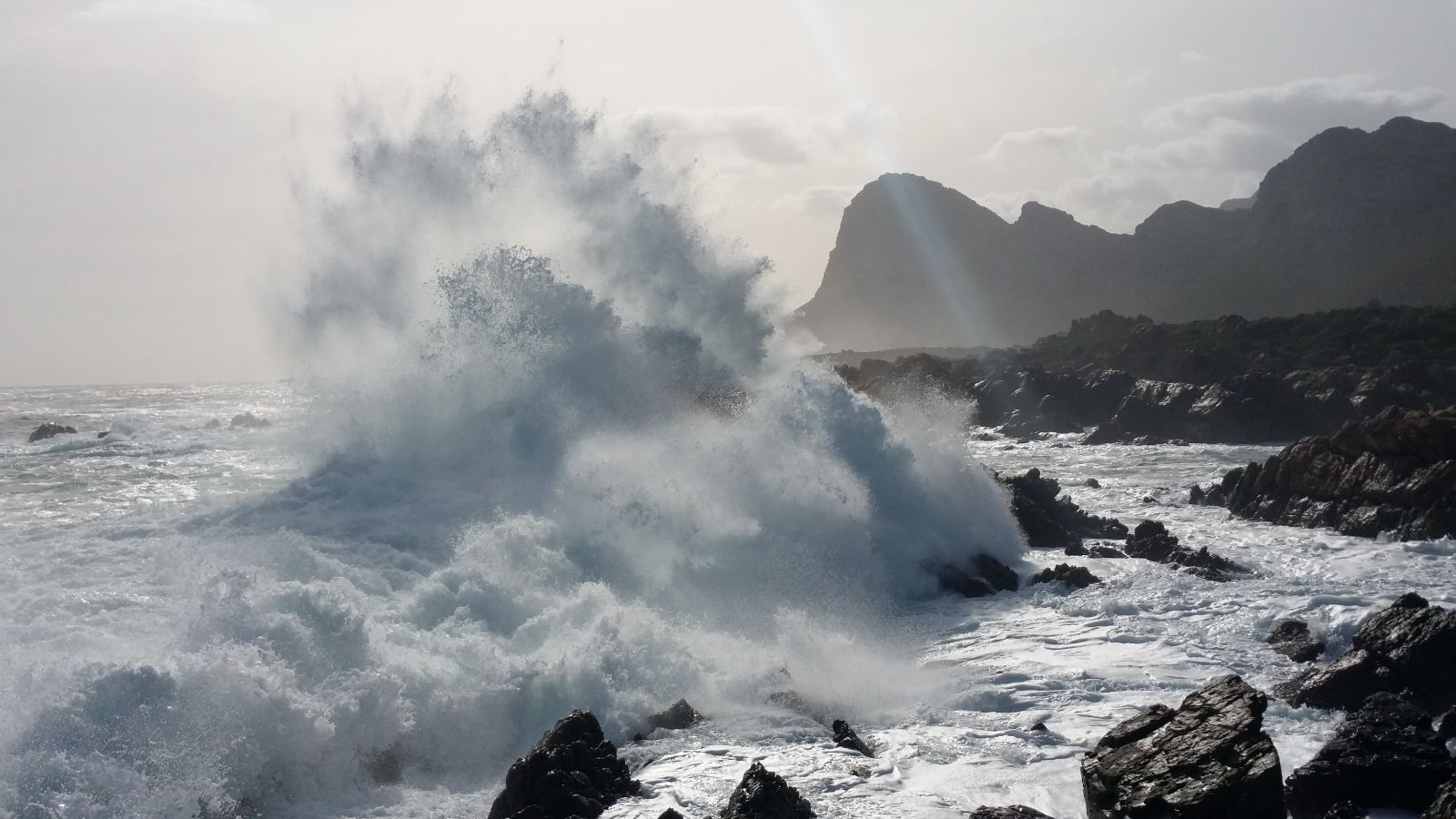
Winter brings the strongest mood shifts along this coastline.
Cold fronts move across the Western Cape and, when they arrive, the bay becomes powerful. Waves roll in with more force. Wind sweeps across the beach and the sea air feels sharper. You feel it in your face and you hear it in the way the water lands.
Then the weather clears.
Those winter blue-sky days can be some of the best you’ll get here. The air turns crisp and clean. The mountains stand out sharply behind the village. The beach stretches long and mostly empty.
A winter walk in Pringle Bay is different from a summer walk. You move slower. You notice more. You listen to the ocean properly. It’s not about swimming or sun.
It’s about the coastline being exactly what it is - wide, open, and a little wild.
Whale Season Along the Overberg Coast
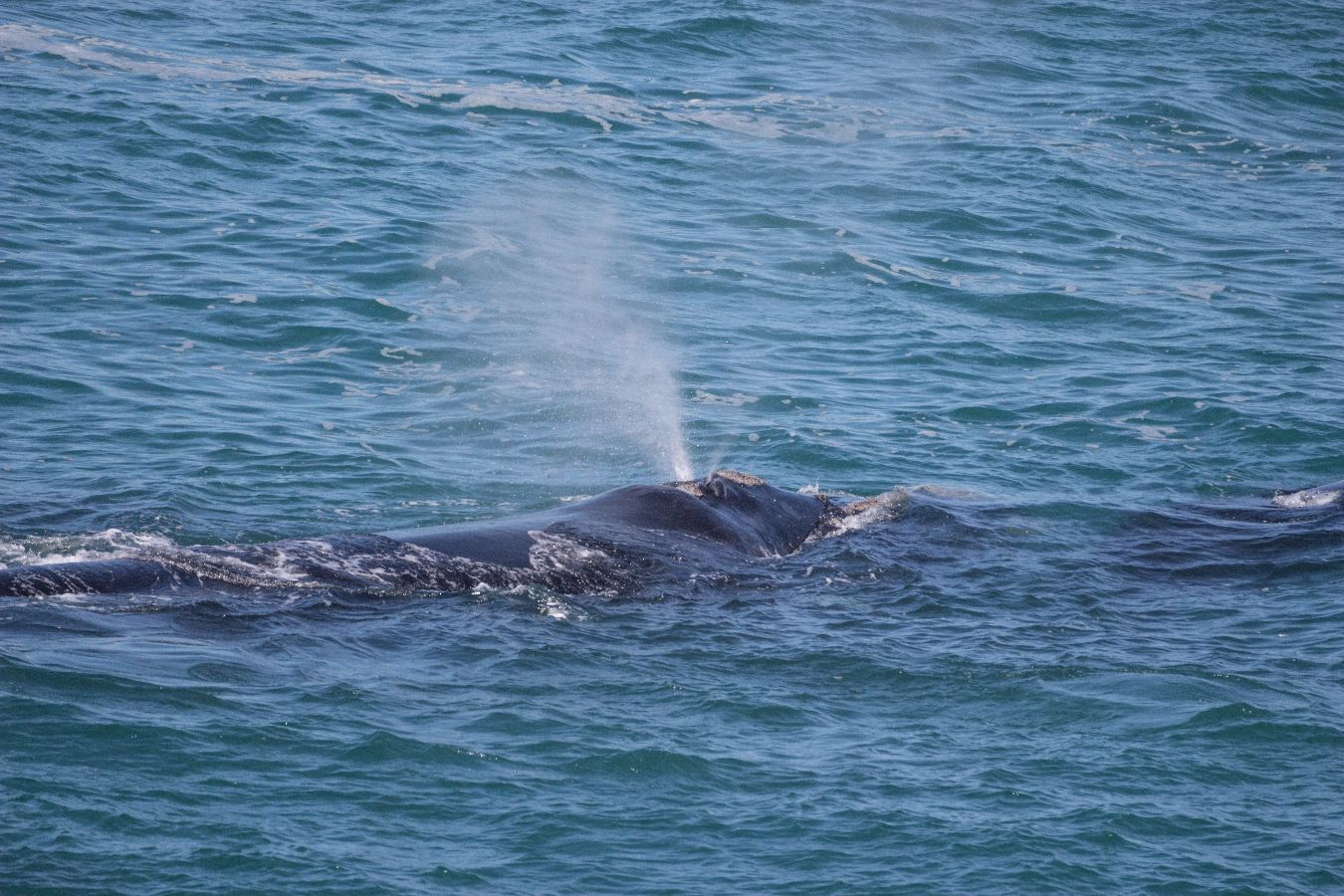
Somewhere in the middle of winter, people start looking out to sea for a different reason.
Southern right whales move along the Overberg coastline each year to calve and rest in the sheltered waters of the Western Cape, and Pringle Bay sits on that route.
From roughly June through November, sightings become possible from land. On calm days you might spot a dark shape rising slowly offshore. A smooth back breaking the surface. A tail lifting briefly before slipping under again.
September and October often offer the best balance. The weather starts improving, the sea settles more often, and whale activity remains strong along the coast.
There’s something grounding about watching whales from the shoreline. No rush. No schedule. Just the ocean doing what it does - and something enormous appearing when it chooses.
Spring - The Coast Starts to Lighten Up Again

Spring doesn’t arrive with a big announcement here. It comes in small changes.
The air feels lighter. The wind shifts. More people start coming through for weekends, and you notice local spots filling again on sunny mornings.
Across the mountains and surrounding fynbos, colour returns. Wildflowers start showing in the landscape and the hills look less muted. The ocean also begins to calm after winter’s heavier swells.
By October, beach walks stretch longer again. The days feel brighter. The village starts to carry that familiar sense that summer is not far off.
By November, Pringle Bay feels ready. Not busy yet. Just awake.
For guests planning a slower seasonal escape, Villa Marine in Pringle Bay makes a comfortable base through every shift in the year.
Choosing Your Best Time to Visit Pringle Bay
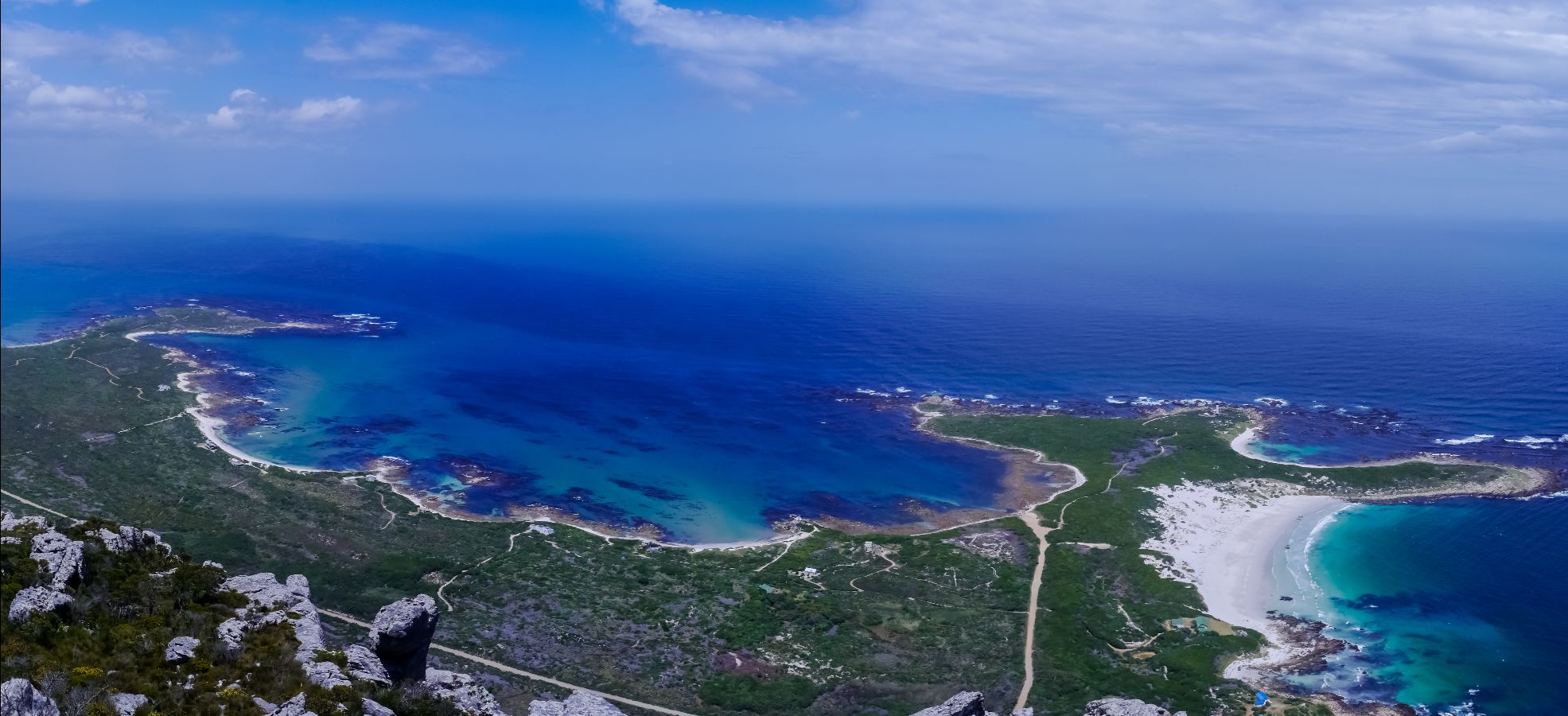
If you want long beach days, warm afternoons, and that holiday energy, summer is the obvious choice.
If you want the same coastline with more space and less noise, late February through April often delivers a better balance.
If you love dramatic sea days, crisp air, and quiet walks with the chance of whale sightings offshore, winter has its own pull.
If you want a lighter, brighter feel with wildflowers in the surrounding fynbos and the first hint of summer returning, spring does that beautifully.
The real truth is that Pringle Bay doesn’t give you one perfect season. It gives you a coastline that changes tone through the year, while staying steady at its core.
A wide beach. Mountains behind you. The Atlantic in front.
And that feeling that it’s easier to breathe again, the moment you arrive.
Ready to experience Pringle Bay for yourself?
Villa Marine offers a calm oceanfront base for beach walks, whale season stays, and slow coastal weekends. Explore our rooms and rates and start planning your stay.